
Why Remote Support Strategies Are Essential for Modern Organizations
- Sherwanna Clarke
- Jul 12
- 3 min read

In today’s fast-paced, interconnected world, the ability to manage and execute programs remotely is no longer a luxury - it’s a necessity. As someone with over 25 years of leadership and operational experience, I’ve witnessed firsthand how organizations that embrace remote support strategies thrive, while those that resist fall behind. The landscape of work has evolved, and so must our approach to leadership, culture, and technology.
Remote program execution is a powerful tool that enables organizations to maintain agility, foster collaboration, and accelerate results regardless of physical location. This post explores why remote support strategies matter, how they empower teams, and practical steps to implement them effectively.
The Power of Remote Support Strategies in Leadership and Operations
Remote support strategies are more than just technical solutions; they are a mindset shift that transforms how leaders and teams operate. When executed well, these strategies:
Enhance flexibility: Teams can work from anywhere, adapting quickly to changing circumstances.
Boost productivity: Access to resources and expert support happens in real-time, reducing downtime.
Strengthen collaboration: Virtual tools and processes bring people together across geographies.
Drive innovation: Diverse perspectives and seamless communication spark creative problem-solving.
For example, in healthcare organizations, remote support strategies allow specialists to consult on cases without being physically present, improving patient outcomes. Similarly, educational institutions can deliver interactive learning experiences to students worldwide, breaking down barriers of distance and access.

By integrating remote support into leadership development and strategic execution, organizations can create resilient cultures that embrace change and continuous improvement. This approach aligns perfectly with the principles I teach as a John Maxwell Certified Coach and True Colors Certified Facilitator, where understanding and adapting to individual and team dynamics is key.
Implementing Remote Support Strategies: Practical Steps for Success
Adopting remote support strategies requires intentional planning and execution. Here are actionable recommendations to get started:
Assess your current capabilities
Evaluate your existing technology, communication channels, and team readiness. Identify gaps that could hinder remote program execution.
Invest in the right tools
Choose platforms that support seamless collaboration, secure data sharing, and real-time problem-solving. Prioritize user-friendly solutions to encourage adoption.
Train your leaders and teams
Provide coaching and workshops focused on remote leadership skills, digital communication, and cultural sensitivity. Empower your people to lead confidently in virtual environments.
Establish clear protocols
Define processes for remote program execution, including roles, responsibilities, and escalation paths. Consistency builds trust and accountability.
Foster a culture of transparency and feedback
Encourage open communication and regular check-ins. Use data and feedback loops to continuously refine your remote support approach.
By embedding these steps into your organizational DNA, you create a foundation for sustainable growth and measurable impact.
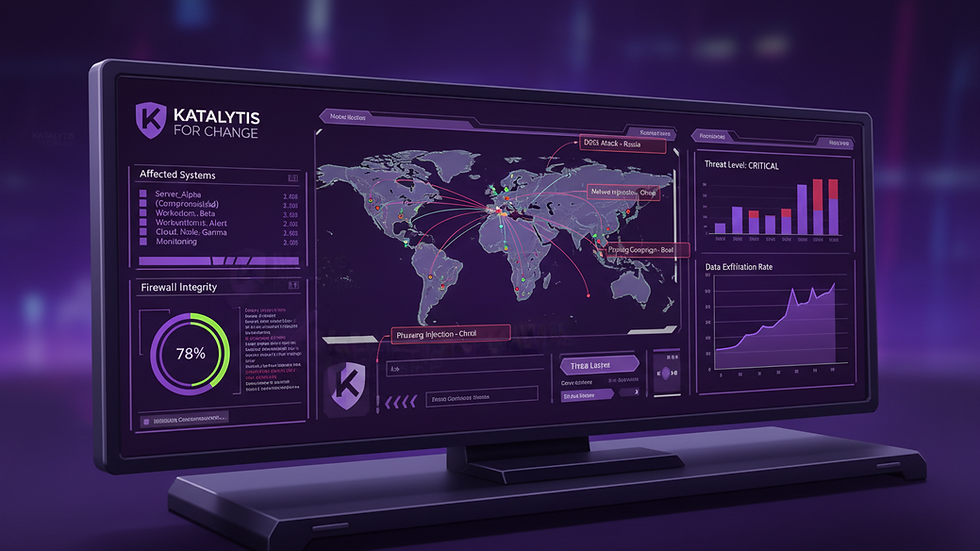
The Role of AI and Human Coaching in Enhancing Remote Support
Integrating AI-powered solutions with human coaching creates a dynamic synergy that elevates remote support strategies. AI can analyze data, identify patterns, and provide real-time insights, while human coaches bring empathy, intuition, and personalized guidance.
At Katalýtis For Change, LLC, we leverage this integration to help leaders and teams:
Accelerate decision-making
AI tools surface critical information quickly, enabling faster, smarter choices.
Personalize development
Coaches tailor interventions based on AI-driven assessments of strengths and growth areas.
Enhance engagement
Combining technology with human connection keeps teams motivated and aligned.
This blend of innovation and human touch is essential for navigating the complexities of remote work and leadership transformation.
As leaders, we must champion these strategies, invest in our people, and embrace technology as an enabler - not a replacement. The future belongs to organizations that can adapt quickly, collaborate seamlessly, and lead with purpose.
By committing to remote support strategies, you position your organization to thrive in an ever-evolving landscape. Together, we can unlock potential, transform cultures, and create lasting impact.
Ready to take your leadership and teams to the next level? Explore how strategic remote support can accelerate your journey.


Comments